
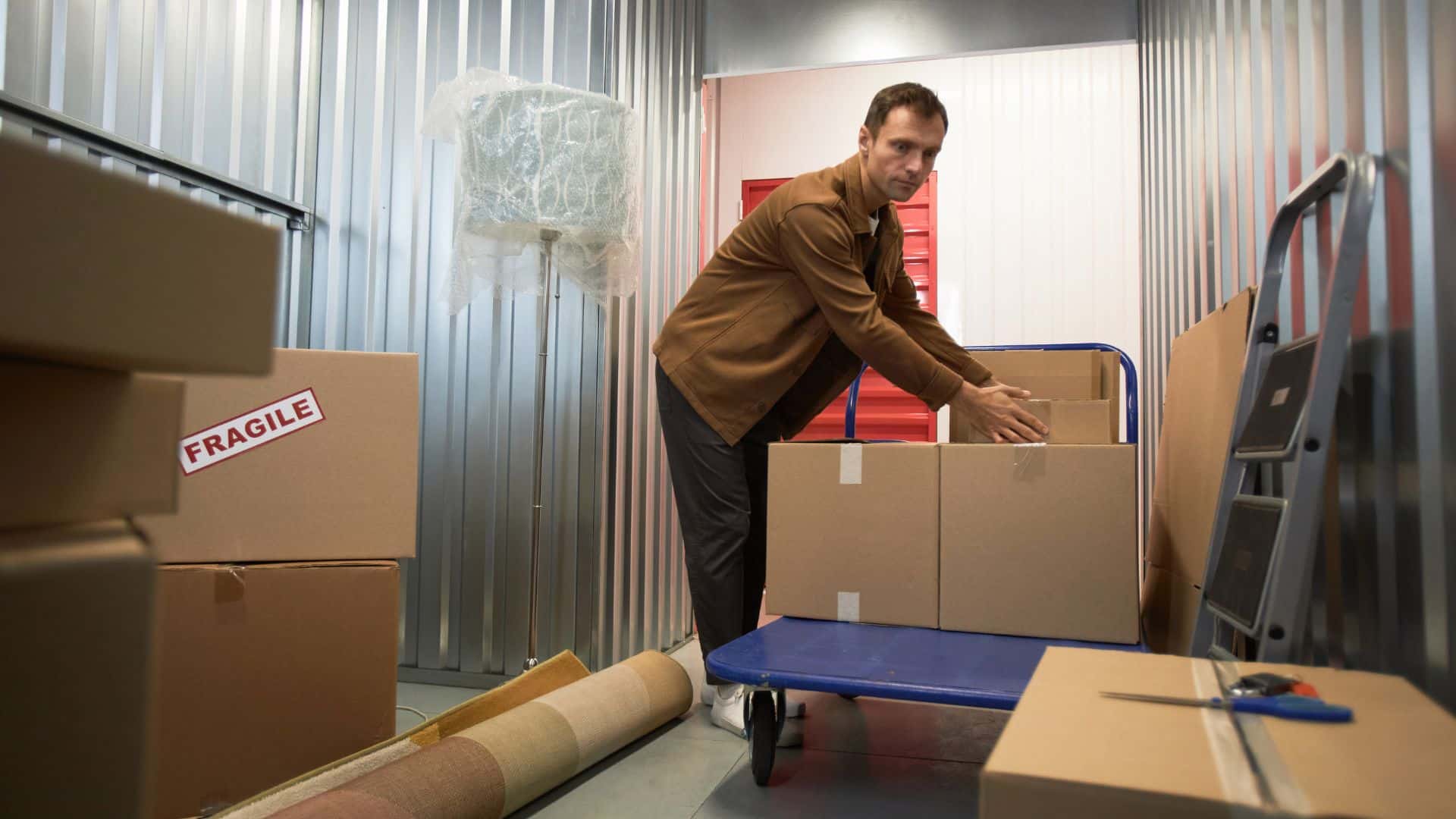
Renting a storage unit is the easy part. Packing it correctly is what actually determines whether your belongings come out in the same condition they went in. A little planning before you start loading boxes can save you from discovering water damage, crushed items, or a musty smell months down the road. Here’s how to pack your unit the right way from the start.
Start With a Plan, Not Just a Truckload of Boxes
Before you start hauling things into your unit, take a few minutes to think through what’s going in and roughly where it should go. Packing without a plan almost always leads to items getting stacked incorrectly, heavy boxes crushing lighter ones, or frequently needed items ending up buried in the back. A little upfront thinking saves a lot of frustration later.
Use the Right Boxes and Packing Materials
Not all boxes are created equal when it comes to long term storage. Sturdy, uniform boxes hold up better over time and stack more securely than mismatched boxes of random sizes and conditions. Avoid using boxes that previously held food, since they can attract pests even after being cleaned out.
Bubble wrap, packing paper, and moving blankets all help protect fragile or valuable items from shifting and impact while in storage. Investing in proper packing materials upfront costs a lot less than replacing a damaged item later.
Disassemble Furniture When Possible
Large furniture takes up significantly more space when left fully assembled, and it’s also more vulnerable to damage during the move itself. Disassembling bed frames, tables, and shelving units not only makes them easier to transport and stack, it protects joints and legs that are prone to snapping under pressure or shifting weight.
Keep screws, bolts, and small hardware in labeled bags taped directly to the corresponding piece of furniture, so you’re not searching for parts when it’s time to reassemble everything.
Protect Furniture and Upholstery
Cover furniture, mattresses, and upholstered items with breathable covers rather than plastic sheeting. Plastic can trap moisture against fabric and wood surfaces, which creates a real risk of mold and mildew over time, especially in a unit that isn’t climate controlled. Furniture covers or moving blankets allow airflow while still protecting against dust and scratches.
Elevate Items Off the Floor
Placing a layer of wooden pallets, plastic sheeting, or even old blankets down before stacking boxes and furniture helps protect your belongings from moisture that can seep up from the floor, particularly in units without climate control. This simple step also makes it easier to sweep out or clean the unit later without having to move everything first.
Pack Heavy Items on the Bottom, Fragile Items on Top
This one sounds obvious, but it’s one of the most common mistakes people make when packing in a hurry. Heavier boxes and items should always form the base of your stacking, with progressively lighter and more fragile items placed on top. Stacking a heavy box on top of a fragile one, even briefly, is one of the fastest ways to end up with cracked dishes or crushed items once you finally unpack.
Leave Room to Walk and Access Items
It’s tempting to pack a unit floor to ceiling with no gaps, but leaving a narrow walkway down the middle or along one side makes a real difference if you need to retrieve something before you’re ready to empty the whole unit. Packing everything in tight with no access plan often means unstacking half the unit just to reach one box near the back.
Label Everything Clearly
Label boxes on multiple sides, not just the top, so you can identify contents even when boxes are stacked or turned. Being specific rather than vague, “kitchen, holiday dishes” instead of just “kitchen”, saves a lot of guesswork later, especially if your unit ends up holding items from several different rooms or projects.
Use Shelving When Possible
If your storage plans are longer term, freestanding shelving units inside your storage unit can make a significant difference in organization and protection. Shelving keeps boxes off the ground, makes it easier to access specific items without unstacking everything, and helps maximize your unit’s usable space.
Protect Electronics and Sensitive Items
Electronics, documents, photographs, and anything sensitive to temperature and humidity swings benefit significantly from a climate controlled unit rather than a standard one. Even with climate control, it’s worth wrapping electronics in anti-static packaging or their original boxes when available, and storing documents in sealed plastic bins rather than cardboard, which can absorb moisture over time.
Don’t Overpack Boxes
Overpacking boxes, especially with books or other heavy items, makes them more likely to break, tear, or become too heavy to lift safely. Distribute weight across more boxes rather than trying to consolidate everything into as few boxes as possible.
Consider a Unit Size With a Little Extra Room
Packing a unit that’s exactly sized to your current inventory leaves no flexibility if you need to add anything later or rearrange items to access something. Choosing a unit with a bit of breathing room makes both the initial packing process and any future access significantly easier.
Why Proper Packing Matters More Than People Expect
A well packed storage unit isn’t just about tidiness, it directly affects whether your belongings stay protected over the weeks, months, or years they’re in storage. Poor packing leads to crushed boxes, water damage, pest issues, and a genuinely frustrating experience trying to find anything once you actually need it.
How Go Blue Self Storage Can Help
At Go Blue Self Storage, we offer a range of unit sizes, including climate controlled options, to fit whatever you’re storing and how carefully it needs to be protected. Our team is happy to help you figure out the right unit size and type for your specific situation, whether that’s a few boxes during a move or a full household’s worth of belongings.
With easy online booking and 24 hour access, you can pack, load, and organize your unit on your own schedule. Give us a call or book online today to find the right storage solution for your needs.
Frequently Asked Questions
Should I use plastic covers or breathable covers on furniture in storage? Breathable covers are the better choice. Plastic sheeting can trap moisture against fabric and wood, which creates a risk of mold and mildew over time, especially in a unit that isn’t climate controlled.
Do I need a climate controlled unit for electronics and documents? It’s strongly recommended. Electronics, photographs, and documents are all sensitive to temperature and humidity swings, and a climate controlled unit offers significantly better protection than a standard unit.
What’s the best way to protect items from moisture on the floor of my unit? Placing pallets, plastic sheeting, or old blankets down before stacking items helps keep moisture from seeping up from the floor, particularly in units without climate control.
Should heavy or light items go on the bottom when stacking boxes? Heavier items should always form the base, with progressively lighter and more fragile items stacked on top. Stacking a heavy box on a fragile one, even briefly, is a common cause of damage.
Is it worth renting a slightly larger unit than I think I need? Yes, having a little extra room makes packing easier and gives you flexibility to access items or add more later without having to rearrange everything from scratch.