
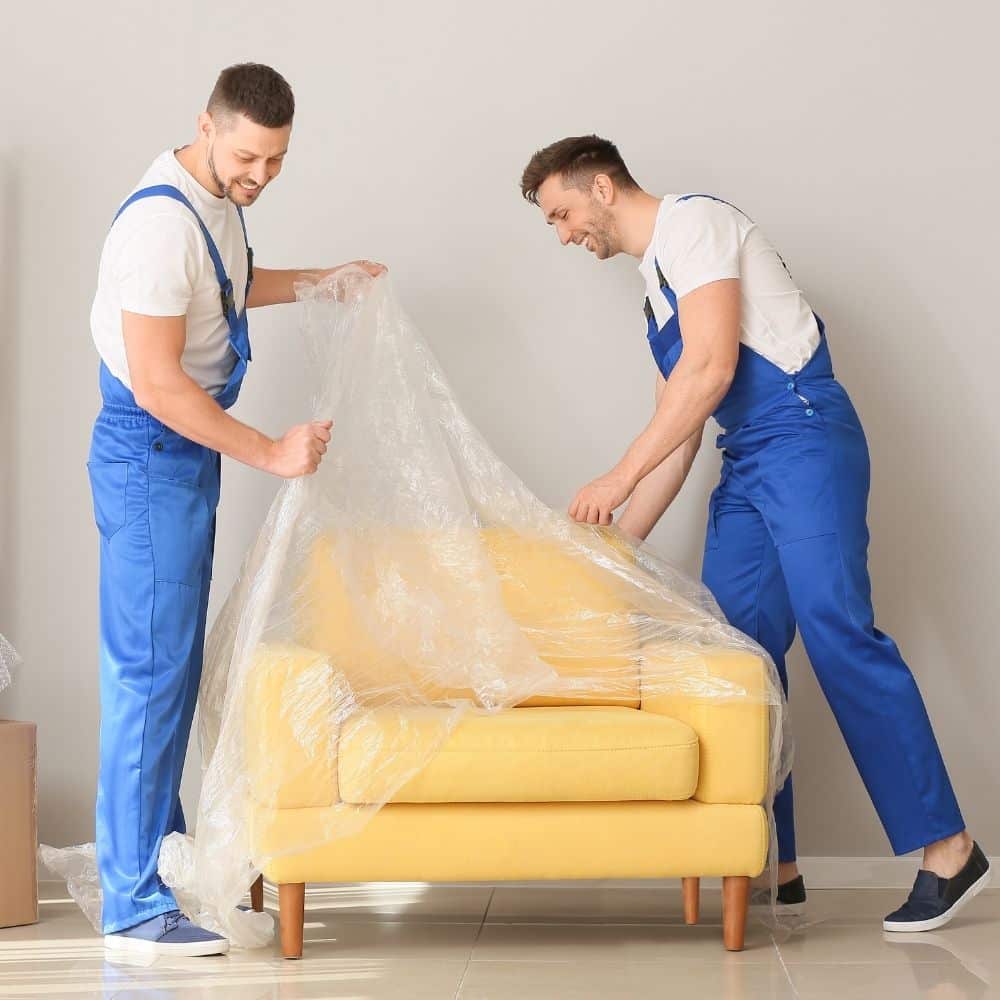
Protecting Your Furniture Before It Goes Into Storage
Furniture is one of the most common things people store, and it is also one of the easiest things to damage if it is not prepared correctly.
Wood can warp, fabric can mildew, and metal can rust, especially when furniture sits in a storage unit for months at a time.
Whether you are storing furniture during a move, a renovation, or simply to free up space at home, taking the right steps before you pack it away can protect your furniture and help it come out of storage looking just as good as when it went in.
Why Furniture Preparation Matters
Furniture is an investment, and improper storage can lead to permanent damage.
Moisture, temperature swings, dust, and pests can all affect furniture that has not been properly cleaned, wrapped, or positioned in a unit.
Taking a little extra time before storing your furniture can save you from costly repairs or replacements later.
Here are 6 crucial steps to take to properly prepare your furniture for storage.
1) Clean Furniture Before Storing It
Cleaning your furniture before storage is one of the most important steps in the process.
Wood Furniture
Wipe down wood furniture with a soft, dry cloth to remove dust and debris.
Avoid using water or cleaning products that could leave moisture behind, since trapped moisture can lead to warping or mold.
Upholstered Furniture
Vacuum upholstered furniture thoroughly to remove dust, crumbs, and debris.
Spot clean any stains and allow the fabric to fully dry before storing.
Metal and Glass Furniture
Wipe down metal furniture to remove dust and prevent rust, and clean glass surfaces with a glass cleaner to remove fingerprints and residue.
2) Disassemble Furniture When Possible
Disassembling furniture can protect it from damage and make better use of your storage space.
Taking apart bed frames, tables, and shelving units reduces the risk of cracked joints or bent frames during transport and storage.
Tips for Disassembly
Keep all screws, bolts, and small hardware in labeled bags taped to the corresponding furniture piece.
Take photos of the furniture before disassembly so you have a reference for reassembly later.
3) Protect Furniture With the Right Materials
Using quality protective materials makes a major difference in how well your furniture holds up in storage.
Furniture Covers
Furniture covers or moving blankets help protect surfaces from dust, scratches, and moisture.
Avoid using plastic wrap directly on wood furniture for long term storage, since plastic can trap moisture against the wood and cause warping or mold.
Mattress Bags
Store mattresses in protective covers and keep them upright rather than flat whenever possible, since storing a mattress flat for an extended period can cause it to lose its shape.
Cardboard or Furniture Sliders
Place cardboard or furniture sliders under legs and corners to prevent direct contact with the floor of the unit.
4) Avoid Placing Furniture Directly on the Floor
Concrete floors can hold moisture, and placing furniture directly on a concrete surface for an extended period can lead to dampness or mold on the bottom of the piece.
Use pallets, wood planks, or plastic sheeting underneath furniture to create a barrier between the floor and your furniture.
5) Consider Climate Controlled Storage for Sensitive Furniture
Michigan’s hot summers and cold winters can cause real damage to furniture stored in a standard unit.
Wood furniture is especially vulnerable to expanding, contracting, cracking, and warping when exposed to temperature swings and humidity.
Climate controlled storage helps maintain a more consistent environment, which is often worth the extra cost for wood furniture, antiques, and other sensitive pieces.
6) Arrange Furniture Strategically in Your Unit
How you arrange furniture inside your storage unit affects both protection and accessibility.
Heavy Items on the Bottom
Place heavier furniture and boxes on the bottom, and lighter or more delicate items on top, to avoid crushing anything underneath.
Leave Space Between Items
Leaving a small gap between furniture pieces and the walls of the unit allows for airflow, which helps reduce moisture buildup.
Keep a Walkway
If you plan to access your unit regularly, leave a walkway down the center so you are not climbing over furniture every time you need something.
Common Mistakes to Avoid
A few simple mistakes can undo all of your preparation work.
- Avoid stacking furniture directly on top of fabric covered pieces, since this can crush cushions and fabric over time.
- Avoid sealing furniture in plastic wrap for long periods, since trapped moisture causes more harm than good.
- Avoid leaving drawers and cabinet doors closed and locked, since leaving them slightly open allows air to circulate inside.
Final Thoughts
Preparing furniture properly before storage takes a little extra time, but it makes a significant difference in how well your furniture holds up over weeks, months, or even years.
Cleaning each piece, disassembling where possible, using the right protective materials, and arranging furniture thoughtfully inside your unit can all help prevent damage.
For especially sensitive pieces like wood furniture or antiques, climate controlled storage offers an added layer of protection against Michigan’s changing seasons.
–
Frequently Asked Questions
How do I prepare furniture for storage?
We recommend cleaning each piece thoroughly, disassembling furniture when possible, and protecting surfaces with furniture covers or moving blankets before placing items in storage.
Should I wrap my furniture in plastic before storing it?
We do not recommend wrapping wood furniture in plastic for long term storage.
Plastic can trap moisture against the surface, which leads to warping or mold over time.
Do I need climate controlled storage for wood furniture?
Yes, we recommend climate controlled storage for wood furniture.
Temperature and humidity changes can cause wood to crack, warp, or expand over time.
How should I store a mattress?
We recommend storing mattresses upright in a protective cover rather than laying them flat.
Storing a mattress flat for an extended period can cause it to lose its shape.
Can I place furniture directly on the floor of my storage unit?
We recommend placing a barrier, such as a pallet or plastic sheeting, underneath furniture rather than placing it directly on the concrete floor.
This helps prevent moisture from affecting the bottom of your furniture.
Should I disassemble furniture before storing it?
Yes, disassembling furniture like bed frames, tables, and shelving units when possible helps prevent damage and makes better use of your storage space.
Go Blue Self Storage is a self storage rental facility in Jackson, Michigan and has flexible storage options designed to fit the needs of those in Jackson and the surrounding areas. Questions about our company or what we offer? Contact us here.